I also learned how to make the best of a good deal when buying in bulk. It only makes sense to buy in quantity...IF you can use it all before it goes bad. I bought a bag of lemons because it was a really good deal. i knew I needed a couple of them but not all just yet. I had previously tried freezing them whole, on the advice of someone else. It didn't really turn out well. So this time I used a number of different methods to take care of a bag of them in one visit. First wash and dry them. Then I used a plane grater ( you can use a box grater too) and took off the rind. Don't take the pith off though ( the white membrane right under the rind). I measured it into little blobs of 1 tsp each and froze them on a cookie sheet. Even when frozen, they can fall apart so be careful when you pick them up. I put them into a little glass jar. Now when I have a recipe that calls for lemon peel it is fresh, not dried and and has great flavor.
Then I used a hand juicer and juiced the lemons and put it into a little ice cube tray. Each spot was about 2 teaspoons. Then after frozen, I put them into a freezer bag. You can use regular ice cube trays too, and just measure out how much you want in each cube. You can use bottled lemon juice too but when a recipe calls for the juice of one lemon, I have it fresh! A medium lemon will give you about 3 tablespoons of juice and a large lemon about 4 tablespoons.
You can also just cut the lemons into slices and freeze them. then into freezer bags to use later in water, iced tea, etc.

Another fruit that we don't have at our place is apples but luckily for me, I was gifted some from my friend Elynn. Her parents have apple trees and are kind enough to share them with others. I like having apple pie filling canned in the pantry. It is handy for a last minute dessert and I know there aren't a bunch of chemicals in it. It is also a nice little gift for someone and it is pretty easy to make once you get the apples peeled. Definitely worth the time. I made make some applesauce as well, both plain and raspberry flavored.


So this doesn't really belong in the fruit section, but since the canner was boiling from making pie filling, I decided to make some pickled garlic. I didn't grow it this year even though I tried so I bought a 3 lb bag from Sam's Club. It is already peeled and ready to go. It made about 10 half-int jars so lasts a long time. Super easy and handy to use in cooking and sauteing. You just have to throw in a few spices and pickling brine and it is done. Next year I hope to have my own and am planting it this weekend for a June harvest!

FLOWERS AND POLLINATORS
Growing flowers in your garden is a great thing. Obviously we all love flowers because they are just darned pretty. In the garden however, they serve us purpose. They bring pollinators and also deter many bad bugs aka pests. We need flowers so the pollinators will come and so the fruit can grow. Some vegetables will pollinate themselves (self-pollinating), and others need the crawling and flying "bugs" that move the pollen from one flower to another, leading to fruit growth.
One such flower we all know very well, the marigold. It comes in a variety of colors. I had orange, yellow and a couple of different combinations of them both. I pretty much have them in every garden bed. Some have tons, some have a few. The deter aphids, which are pests and they are just plain gorgeous when the are all in full bloom. I started a lot of these from see last spring but also sowed the seeds directly into the garden beds as well. The others catch up eventually but it is nice to see them bloom and give color to the garden right away and they stay in bloom until the garden is finished. They are quite hardy.If you are not in a hurry, don't buy the started marigolds; buy the seeds and sow them yourself. It saves a lot of money. You can also start them inside about 6 weeks before mother's day in little cups with potting soil and transplant them when you are ready.


Another flower that is actually related to marigolds is calendula. They are yellow and orange in our garden but may come in other colors as well. They bring bees. As you know, honey bees are leaving us all of the time. If we provide food for them, maybe they will stay longer. I can't really say that I saw any honeybees in my garden but definitely tons of bumblebees and some other native bees as well. The calendulas in this picture are yellow and on a less bushy stem than marigolds.

The next flowers you can see on the right in the photo above and also in this closer picture are zinnia. Also bring bees and beautiful butterflies. These grew on stems about three feet tall! The variety is called cut and come again because you can cut them and they will grow more flowers.We had pink, yellow,red, and fuschia flowers all growing together. I saw butterflies and hummingbirds on the zinnias. I also saw some birds eating the seeds after the petals had fallen. It definitely is a cycle. I am amazed that each time I go into my garden I really do see something new. Sometimes good, sometimes bad. Here are some more zinnias:


BUGS
So as you saw earlier I had a bad time with the evil vine borer. She wrecked the squash and also invaded my pumpkin patch. I did go out each day and try to get the eggs off with duct tape but the patch was huge. Lucky that it was so it survived these little devils.

I also have plenty of spiders to help me out. In this picture you can see a spider catching a stink bug! They didn't really show up until the end of the season this year so it wasn't a big problem.

I had TONS of Japanese beetles!!!!!!!!!! They rally went crazy for the raspberry leaves and the leaves of zinnias. Also seemed to like the borage and green beans as well. The finny thing is that they don't really go for the fruit. I was fine with that. The way to get rid of them is to just take a big cup with soapy water and knock them into it so the die and don't reproduce. Sometimes i would knock down seven off of one leaf! My all time low was feeling accomplished when I could knock off mating beetles, getting two at once. Too bad they are bad because they are kind of pretty.


Here she is in a gallon jar on her way to Brad and Cindy's garden along with three males that we found in the front yard on our bushes. I wanted to keep them in the garden but BDWoo is protective of his hummingbirds so off they went.

Then I used a hand juicer and juiced the lemons and put it into a little ice cube tray. Each spot was about 2 teaspoons. Then after frozen, I put them into a freezer bag. You can use regular ice cube trays too, and just measure out how much you want in each cube. You can use bottled lemon juice too but when a recipe calls for the juice of one lemon, I have it fresh! A medium lemon will give you about 3 tablespoons of juice and a large lemon about 4 tablespoons.
You can also just cut the lemons into slices and freeze them. then into freezer bags to use later in water, iced tea, etc.


So this doesn't really belong in the fruit section, but since the canner was boiling from making pie filling, I decided to make some pickled garlic. I didn't grow it this year even though I tried so I bought a 3 lb bag from Sam's Club. It is already peeled and ready to go. It made about 10 half-int jars so lasts a long time. Super easy and handy to use in cooking and sauteing. You just have to throw in a few spices and pickling brine and it is done. Next year I hope to have my own and am planting it this weekend for a June harvest!

FLOWERS AND POLLINATORS
Growing flowers in your garden is a great thing. Obviously we all love flowers because they are just darned pretty. In the garden however, they serve us purpose. They bring pollinators and also deter many bad bugs aka pests. We need flowers so the pollinators will come and so the fruit can grow. Some vegetables will pollinate themselves (self-pollinating), and others need the crawling and flying "bugs" that move the pollen from one flower to another, leading to fruit growth.
One such flower we all know very well, the marigold. It comes in a variety of colors. I had orange, yellow and a couple of different combinations of them both. I pretty much have them in every garden bed. Some have tons, some have a few. The deter aphids, which are pests and they are just plain gorgeous when the are all in full bloom. I started a lot of these from see last spring but also sowed the seeds directly into the garden beds as well. The others catch up eventually but it is nice to see them bloom and give color to the garden right away and they stay in bloom until the garden is finished. They are quite hardy.If you are not in a hurry, don't buy the started marigolds; buy the seeds and sow them yourself. It saves a lot of money. You can also start them inside about 6 weeks before mother's day in little cups with potting soil and transplant them when you are ready.


The next flowers you can see on the right in the photo above and also in this closer picture are zinnia. Also bring bees and beautiful butterflies. These grew on stems about three feet tall! The variety is called cut and come again because you can cut them and they will grow more flowers.We had pink, yellow,red, and fuschia flowers all growing together. I saw butterflies and hummingbirds on the zinnias. I also saw some birds eating the seeds after the petals had fallen. It definitely is a cycle. I am amazed that each time I go into my garden I really do see something new. Sometimes good, sometimes bad. Here are some more zinnias:


I also grew nasturtiums. The are a pest deterrent and are beautiful. Some grow bushier like these and some are sprawling vines ( I had those last year). Nasturtiums are also edible! The leaves and the flowers both have a light cucumber-y taste. They look pretty on salads or as a garnish. I tasted them but didn't really put them on our menu at home, lol.

Another beautiful flower is Asyllium. They are the tiniest little purple and white flowers and grow in a patch about 8 inches high and just make you feel happy and carefree when they are in bloom! They have a fresh look.

I tried to grow lavender in pots this year because they supposedly deter mosquitoes but it took them the whole summer to bloom and the stems are tall. I will figure out something better next year. The top picture is how they start and when they finally t


After some of the other plants have finished up for the season you are left with empty spaces. It is just too sad so I planted a couple of chrysanthemums that I bought at the grocery store for a dollar. Maybe they will make it long enough to bush out. They are cold-hardy and great fall flowers. This dirt definitely had some clay so I have to water pretty regularly. These two need a drink!

This plant is called borage. It is actually an herb. I am not sure of its uses except that it is a companion to strawberries and brings lots of bees. Sooo I planted it in the strawberry patch! The flowers are star shaped and a beautiful blue color but overall the plant isn't particularly attractive. Def brought the bees though ( look in the picture on the right side) so it did its job. It gets very tall, like 2 1/2 feet or more.

We also found catnip growing wild on fence line near the blackberries. The bees went crazy for its flowers too. Didn't even realize it until Brad pointed it out to us.

Now here are a few pics of bees and butterflies to make you happy:


The grandkids also had a chrysalis in a jar and they watched a monarch butterfly emerge. They named him Hundley Jr. One day I was outside and I saw him on my flowers. It was quite a trip from Bettendorf but he made it to my place for food.....They all do!

BUGS
So as you saw earlier I had a bad time with the evil vine borer. She wrecked the squash and also invaded my pumpkin patch. I did go out each day and try to get the eggs off with duct tape but the patch was huge. Lucky that it was so it survived these little devils.
I also have plenty of spiders to help me out. In this picture you can see a spider catching a stink bug! They didn't really show up until the end of the season this year so it wasn't a big problem.

I had TONS of Japanese beetles!!!!!!!!!! They rally went crazy for the raspberry leaves and the leaves of zinnias. Also seemed to like the borage and green beans as well. The finny thing is that they don't really go for the fruit. I was fine with that. The way to get rid of them is to just take a big cup with soapy water and knock them into it so the die and don't reproduce. Sometimes i would knock down seven off of one leaf! My all time low was feeling accomplished when I could knock off mating beetles, getting two at once. Too bad they are bad because they are kind of pretty.
I was really turning into a bug geek this summer. It was amazing to see how many different kinds of insects are in the garden. I saw beautiful florescent green bugs a few times, red and yellow lady bugs, and some little tiny creature that looked like a blue scorpion. I couldn't identify that one. There are little black beetles and big black beetles. There are god bugs and bad bugs. It is good to find out which is which!!
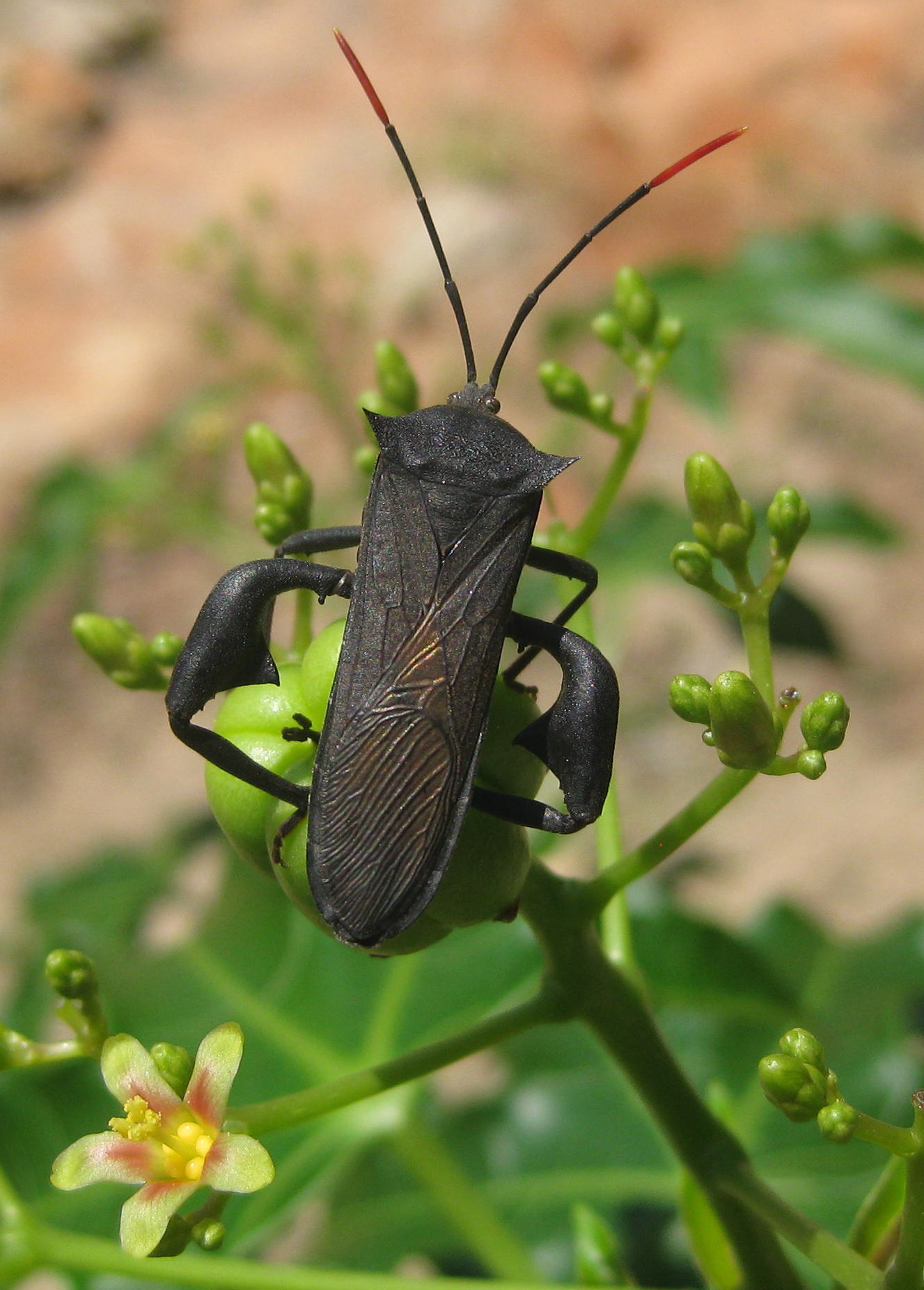
There were also a few of these. They are called leaf-footed bugs. They are usually in the pumpkins and squash but I saw them randomly. They are bad guys.
We were sitting at the table on night and looked at the back door only to find this guy hanging out. It was the biggest praying mantis I had ever seen. It was 4.5 inches long! They are good for your garden because they eat bad bugs. Unfortunately they can eat good bugs too and will even strike at hummingbirds given the opportunity.


Comments
Post a Comment